


How Common Are Semi-Truck Accidents in Provo? (And How a Lawyer Can Help)
Semi-truck accidents can cause devastating injuries because of the significant size and weight difference between commercial trucks and passenger vehicles. While most truck drivers operate safely, collisions involving large commercial vehicles continue to occur on highways and busy roads throughout Utah, often resulting in serious physical, emotional, and financial consequences. Understanding the causes of these crashes and the legal options available afterward can help victims and their families make informed decisions during a difficult time. Learning how these cases differ from standard car accident claims also highlights the importance of acting promptly after a collision.
Recovering after a serious truck accident often involves medical treatment, insurance negotiations, lost income, and uncertainty about the future. At Will Andrews Law, we help accident victims understand their legal rights while pursuing compensation for the losses they have experienced because of another party’s negligence. Our team carefully investigates every case, explains the legal process clearly, and develops strategies tailored to each client’s unique circumstances and recovery goals. If you or someone you love has been injured in a commercial truck collision, call us at (385) 483-4703 to schedule your free consultation today.
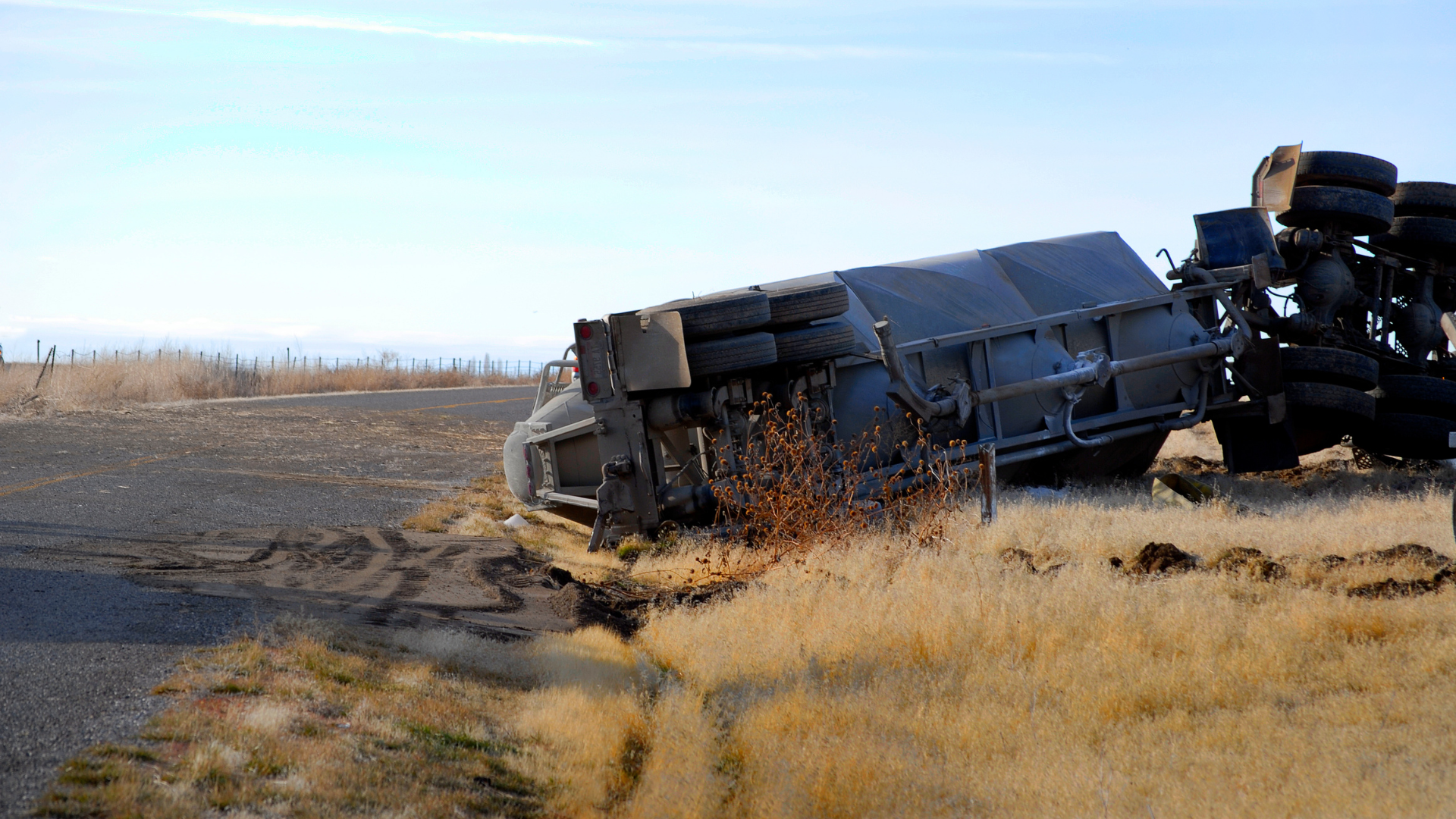
How a Semi-Truck Accidents Lawyer in Provo Can Help Victims and Families
Will Andrews Law provides experienced representation as a semi-truck accidents lawyer in Provo, and we work diligently to help victims and families protect their rights after serious commercial vehicle collisions. We thoroughly investigate every accident, preserve valuable evidence, communicate with insurance companies, and evaluate every available source of compensation while building the strongest case possible. Our goal remains helping clients recover the financial resources they need while allowing them to focus on healing and moving forward after a traumatic event. We also maintain open communication throughout every stage of the claim so our clients understand what to expect as their cases progress. Our team remains committed to providing compassionate guidance while pursuing the best possible outcome for every client we represent.
Semi-truck accident claims often involve multiple insurance carriers, commercial trucking companies, federal regulations, and complex questions regarding liability. Therefore, we carefully review accident reports, driver records, maintenance documentation, electronic logging data, and other important evidence that may affect the outcome of the claim. We explain every available legal option clearly so our clients can make informed decisions with confidence throughout the recovery process. Additionally, we remain available to answer questions promptly while providing practical guidance tailored to each client’s unique circumstances and long-term needs. Our experience allows us to advocate aggressively while protecting the interests of injured individuals and their families.
Investigating the Cause of the Truck Accident
A thorough investigation often provides the foundation for a strong semi-truck accident claim. Commercial vehicle collisions frequently involve multiple contributing factors, making it important to examine every aspect of the crash carefully. Gathering evidence early also helps preserve valuable information that may become more difficult to obtain as time passes. A comprehensive investigation supports a clearer understanding of how the collision occurred and who may be responsible.
Collecting Critical Evidence
Evidence gathered immediately after a truck accident may play an important role in determining liability and supporting an injury claim. Photographs, surveillance footage, police reports, witness statements, and electronic data from the commercial vehicle often provide valuable insight into the events leading to the collision. Organizing this information early helps create a stronger factual foundation. Thorough documentation also supports more informed legal decisions throughout the claim.
Preserving Time-Sensitive Information
Certain evidence may become unavailable if it is not preserved shortly after the accident. Electronic logging device data, maintenance records, inspection reports, and onboard vehicle information may all require prompt attention. Acting quickly helps protect important information before it is lost or overwritten. Early preservation often strengthens the overall claim.
Identifying All Liable Parties
Liability in a semi-truck accident may extend beyond the truck driver depending on the circumstances of the collision. Trucking companies, maintenance providers, cargo loading companies, manufacturers, and other parties may share responsibility when their actions contributed to the crash. Identifying every potentially responsible party helps ensure the claim reflects the complete circumstances of the accident. Comprehensive investigations support a more accurate evaluation of liability.
Reviewing Commercial Records
Commercial trucking companies maintain records relating to driver qualifications, maintenance schedules, inspections, and regulatory compliance. Reviewing these records may reveal important information relevant to the accident investigation. Careful analysis also helps identify whether safety requirements were properly followed. Detailed documentation contributes to a stronger case evaluation.
Evaluating the Full Extent of Damages
Semi-truck accidents often result in substantial physical, financial, and emotional losses that extend well beyond immediate medical expenses. Evaluating every category of damages helps injured individuals understand the full impact of the collision. A complete assessment also supports more accurate claim preparation. Careful evaluation promotes informed decision-making throughout the legal process.
Calculating Financial Losses
Medical bills, rehabilitation expenses, lost wages, reduced earning capacity, and future treatment costs frequently represent significant components of truck accident claims. Reviewing these losses carefully helps ensure damages accurately reflect the long-term consequences of the collision. Complete financial evaluations support fair compensation discussions. Thorough documentation remains essential.
Considering Future Expenses
Serious injuries may require ongoing medical treatment, physical therapy, assistive devices, or future surgical procedures. Estimating these anticipated expenses helps create a more complete picture of the financial impact following the accident. Long-term planning supports more comprehensive damage evaluations. Future needs deserve careful consideration.
Assessing Non-Economic Damages
Truck accident victims may experience pain, emotional distress, reduced quality of life, and other non-economic losses following a serious collision. These damages often represent an important part of the overall claim. Evaluating these effects carefully helps recognize the full impact of the injuries. Comprehensive assessments support more accurate claim evaluations.
Documenting Recovery Progress
Keeping records of medical appointments, treatment progress, physical limitations, and daily challenges helps illustrate how injuries continue affecting everyday life. Consistent documentation also provides valuable information throughout the claims process. Organized records strengthen the overall presentation of damages. Ongoing updates support long-term evaluations.
Navigating the Insurance Claims Process
Commercial truck accident claims often involve multiple insurance policies and complicated claim procedures. Understanding how the insurance process works helps injured individuals prepare for communications, documentation requests, and settlement discussions. Careful preparation also reduces unnecessary confusion during the claim. Organized claim management supports smoother progress.
Communicating With Insurance Companies
Insurance representatives frequently request statements, documentation, and other information following a commercial truck accident. Providing accurate information while maintaining organized records helps support the claims process. Careful communication also reduces misunderstandings throughout the case. Preparation contributes to more efficient claim management.
Maintaining Detailed Records
Keeping copies of correspondence, claim forms, medical bills, repair estimates, and insurance communications helps organize important information throughout the claim. Complete records also make future reference easier if questions arise later. Good organization benefits every stage of the insurance process. Consistent documentation supports stronger case management.
Reviewing Settlement Offers
Insurance companies may present settlement offers before the full extent of damages becomes clear. Carefully reviewing every proposal allows injured individuals to better understand how the offer compares with their current and future losses. Thoughtful evaluation supports informed decision-making. Careful consideration remains important before accepting any settlement.
Understanding Long-Term Impacts
Accepting a settlement may affect the ability to pursue additional compensation later depending on the terms of the agreement. Evaluating future medical needs, financial losses, and ongoing recovery before making important decisions helps support long-term planning. Understanding these consequences promotes informed choices. Careful review remains essential.

What To Do After a Semi-Truck Crash in Provo
The moments following a semi-truck crash can feel overwhelming, especially when injuries, vehicle damage, and uncertainty create immediate challenges. Taking thoughtful steps after the collision helps protect your health while preserving important information that may become valuable during the insurance and legal process. Additionally, acting promptly may improve your ability to document the circumstances surrounding the accident before important evidence disappears. Understanding what to do after a commercial truck collision helps individuals make informed decisions during a stressful situation.
Prioritize Your Safety
Personal safety should remain the first priority after any commercial truck accident. Checking yourself and others for injuries while moving to a safe location, when possible, helps reduce the risk of additional harm. Emergency responders should also be contacted promptly whenever injuries or significant property damage are involved. Taking these initial steps creates a safer environment while allowing emergency personnel to respond appropriately.
Seek Immediate Medical Attention
Some injuries may not produce noticeable symptoms immediately after a collision. Receiving a prompt medical evaluation helps identify injuries that require treatment while creating documentation regarding the condition of everyone involved. Early medical care also allows healthcare providers to begin treatment before certain injuries become more serious. Protecting your health should always come first.
Follow Medical Recommendations
Continuing treatment after the initial evaluation helps support recovery while creating a consistent record of medical care. Attending follow-up appointments, completing recommended therapy, and following healthcare instructions demonstrate ongoing attention to your injuries. Consistent treatment also helps monitor healing over time. Maintaining proper medical care supports both recovery and documentation.
Remain at the Scene
Remaining at the accident scene until law enforcement authorizes you to leave helps ensure the proper exchange of information and completion of the official investigation. Leaving prematurely may create unnecessary legal complications depending on the circumstances. Staying available also allows you to provide accurate information to responding officers. Cooperation supports an orderly investigation.
Move to a Safe Location if Possible
If the vehicles can be moved safely and doing so does not create additional danger, relocating away from active traffic lanes may reduce the risk of secondary collisions. Safety should always guide these decisions while following instructions from emergency responders. Remaining alert to surrounding traffic also helps protect everyone at the scene. Careful actions reduce additional hazards.
Report the Accident
Reporting the collision allows law enforcement to document important details while beginning an official investigation. Police reports often include observations regarding road conditions, vehicle positions, witness information, and other relevant facts. Accurate reporting also creates an official record that may become important later. Timely communication supports the overall investigation.
Cooperate With Responding Officers
Law enforcement officers generally gather information from everyone involved before preparing an official accident report. Answering questions accurately while limiting responses to known facts helps avoid misunderstandings. Remaining respectful throughout the investigation also promotes effective communication. Clear information benefits the reporting process.
Stick to the Facts
Providing factual information without speculating about fault or the cause of the collision helps maintain accuracy during the investigation. If you do not know the answer to a question, it is appropriate to say so rather than guessing. Accurate statements contribute to reliable documentation. Careful communication supports the investigative process.
Obtain the Police Report Information
Requesting the report number and learning how to obtain a copy of the completed accident report allows easier access to important documentation later. Reviewing the report also helps individuals understand the information collected during the investigation. Keeping this information organized supports future reference. Official records remain valuable throughout the claims process.
Record the Responding Agency
Documenting which law enforcement agency responded to the collision helps simplify future requests for accident reports or additional information. Recording the names or badge numbers of responding officers, when available, may also prove helpful. Organized information supports efficient follow-up. Good recordkeeping benefits the entire process.
Gather Important Evidence
Evidence collected shortly after a semi-truck crash often becomes valuable during insurance claims and any future legal proceedings. Road conditions, vehicle damage, skid marks, weather conditions, and witness information may all change quickly after the collision. Collecting available evidence helps preserve an accurate record of the accident scene. Thorough documentation strengthens future evaluations.
Photograph the Scene
Photographs provide valuable visual documentation of the collision before vehicles are repaired or the accident scene changes. Images should include vehicle damage, roadway conditions, traffic signs, debris, weather conditions, and visible injuries whenever appropriate. Comprehensive photographs create a clearer understanding of the circumstances. Visual evidence often becomes an important part of accident documentation.
Capture Multiple Angles
Photographing the scene from several different viewpoints provides additional context regarding vehicle positions and surrounding conditions. Wide-angle photographs combined with close-up images create a more complete visual record. Thorough documentation helps preserve important details. Multiple perspectives strengthen the overall evidence.
Collect Contact Information
Obtaining contact information from drivers, passengers, and independent witnesses helps preserve valuable information while memories remain fresh. Recording names, phone numbers, insurance information, and vehicle details also simplifies future communication if additional questions arise. Organized records improve overall case preparation. Complete information supports efficient follow-up.
Speak With Witnesses Respectfully
Independent witnesses sometimes observe important details that may not appear in official reports. If witnesses are willing to provide contact information, recording their names and phone numbers may become valuable later. Respectful communication encourages cooperation while preserving useful information. Witness information supports a more complete understanding of the collision.
Protect Your Records
Maintaining organized records after a semi-truck accident helps simplify communications with insurance companies, medical providers, and other parties. Keeping documents together also reduces the likelihood of losing important information during the recovery process. Consistent organization supports better preparation throughout every stage of the claim. Good recordkeeping remains valuable from beginning to resolution.
Save Medical and Financial Documents
Medical bills, treatment records, prescription receipts, repair estimates, towing invoices, and employment records may all become important following a truck accident. Organizing these documents allows easier access whenever additional information becomes necessary. Complete records help document the overall impact of the collision. Careful organization supports future planning.
Maintain a Recovery Journal
Recording medical appointments, physical limitations, symptoms, and daily recovery progress provides an organized timeline following the accident. These notes may help individuals better understand how injuries continue affecting everyday life over time. Consistent documentation also creates a useful personal record. Detailed information supports long-term organization.
Keep Insurance Correspondence
Insurance companies may send letters, emails, claim updates, and requests for additional documentation throughout the claims process. Saving copies of every communication helps maintain a complete record of ongoing discussions. Organized correspondence also simplifies future reference. Careful documentation improves overall claim management.
Track Important Deadlines
Recording deadlines for insurance forms, medical appointments, repair estimates, and other important tasks helps prevent unnecessary delays. Maintaining an organized calendar also reduces the likelihood of overlooking important responsibilities. Staying organized supports smoother claim administration. Careful planning benefits the entire recovery process.
Continue Monitoring Your Recovery
Recovery often continues long after the accident scene has been cleared. Paying attention to new symptoms, attending follow-up medical appointments, and maintaining organized documentation help support both physical recovery and future planning. Ongoing care also provides opportunities to identify changes that may require additional treatment. Consistent attention to your health remains an important part of the recovery process.
Attend Follow-Up Appointments
Healthcare providers may recommend additional evaluations, therapy, imaging studies, or specialist appointments depending on the nature of the injuries. Keeping these appointments allows providers to monitor healing while adjusting treatment plans when necessary. Continued medical care supports long-term recovery. Following professional recommendations remains important.
Document Your Progress
Maintaining updated records of medical treatment, physical improvement, and ongoing limitations creates a detailed history of the recovery process. Organized documentation also helps individuals better understand their progress over time. Consistent recordkeeping supports informed planning. Careful attention to recovery benefits both present and future needs.

Contact an Experienced Semi-Truck Accidents Lawyer in Provo Today
A collision involving a commercial truck can leave victims facing extensive medical expenses, lost wages, long-term rehabilitation, and significant emotional challenges. Will Andrews Law provides personalized legal representation while helping injured individuals and families understand their rights and pursue fair compensation for the damages they have suffered. We take the time to evaluate every case carefully, explain each step of the legal process, and develop strategies designed to address our clients’ immediate concerns as well as their future needs. Our team remains dedicated to protecting our clients’ interests while working toward the strongest possible resolution based on the facts of every case. Every client receives individualized attention, responsive communication, and determined legal advocacy from beginning to resolution.
Taking action soon after a truck accident may help preserve critical evidence while strengthening your ability to pursue a successful claim. We proudly represent injured victims and families throughout Provo and the surrounding communities with compassionate legal guidance and experienced personal injury representation. Our team works diligently to investigate every aspect of the collision while seeking compensation for medical expenses, lost income, pain and suffering, and other recoverable damages. We remain committed to helping our clients move forward with confidence while protecting their legal rights throughout the claims process. Call us at (385) 483-4703 or reach out online today to schedule your free consultation.